Building the next generation of innovators in rural Gujarat
As India moves rapidly into a future shaped by AI, robotics, semiconductors and new technologies, STEM education is becoming more important than ever. But for many children in rural and tribal communities, access to practical STEM learning is still limited.
This is where the Smart Village Movement’s STEM Education Program is making a difference.
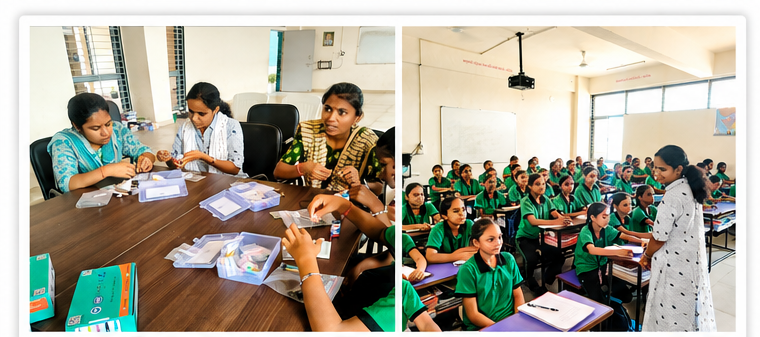
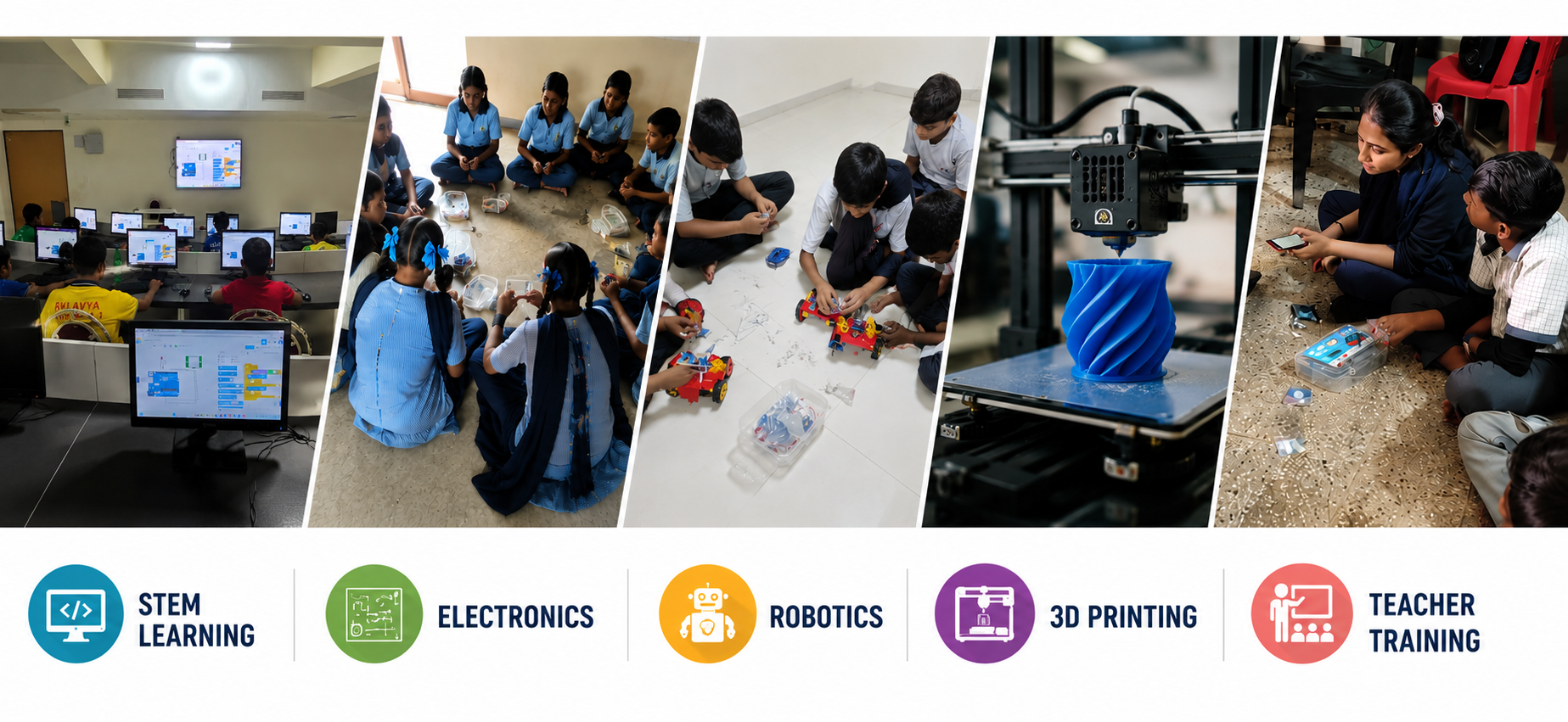
Between March 2025 and July 2026, the programme reached 3,171 students across 16 schools in seven districts of Gujarat, with girls making up 51% of the assessed students. The programme has introduced students to electronics, robotics, automation, 3D printing, mechanics, aerodynamics and applied science.
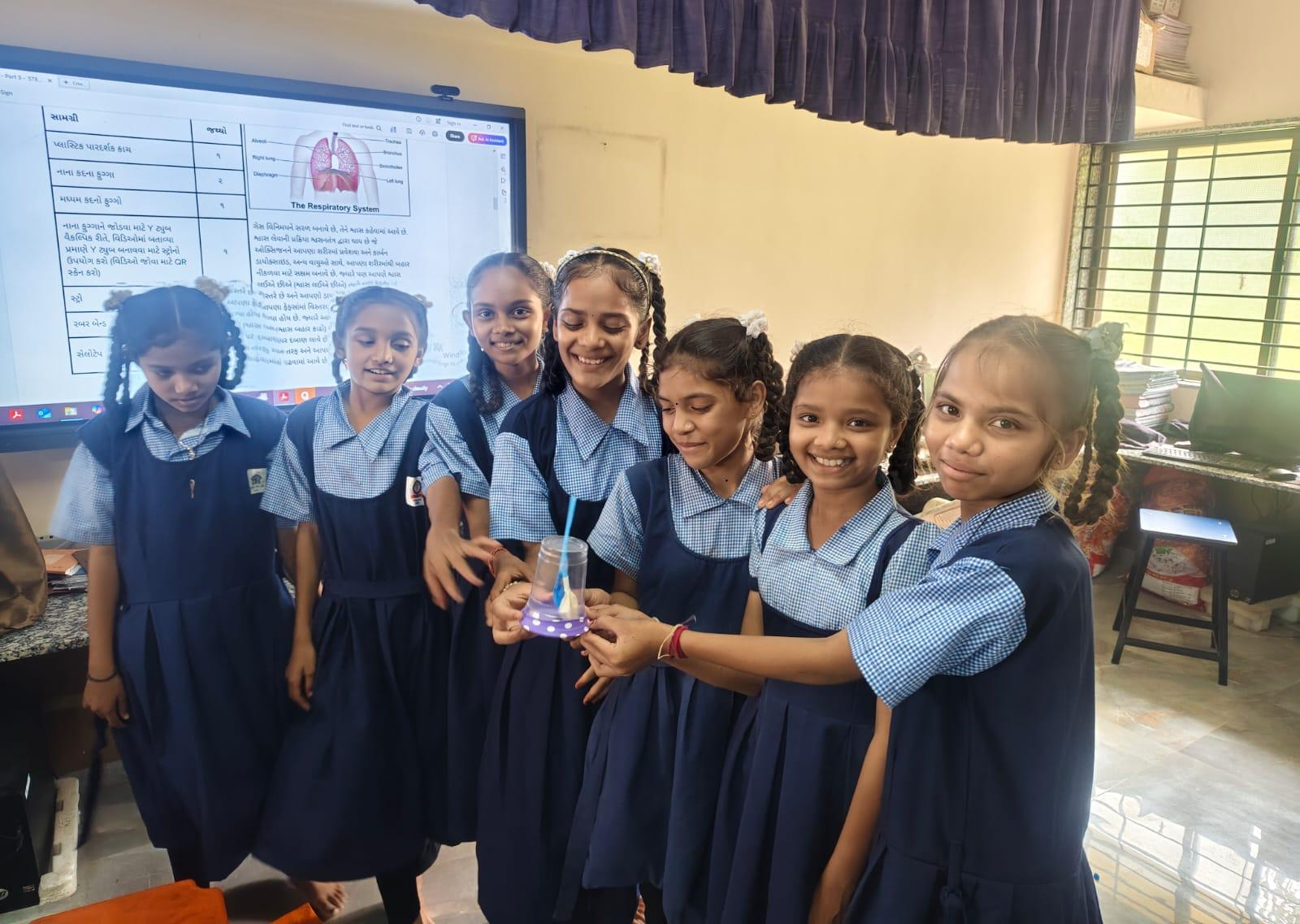
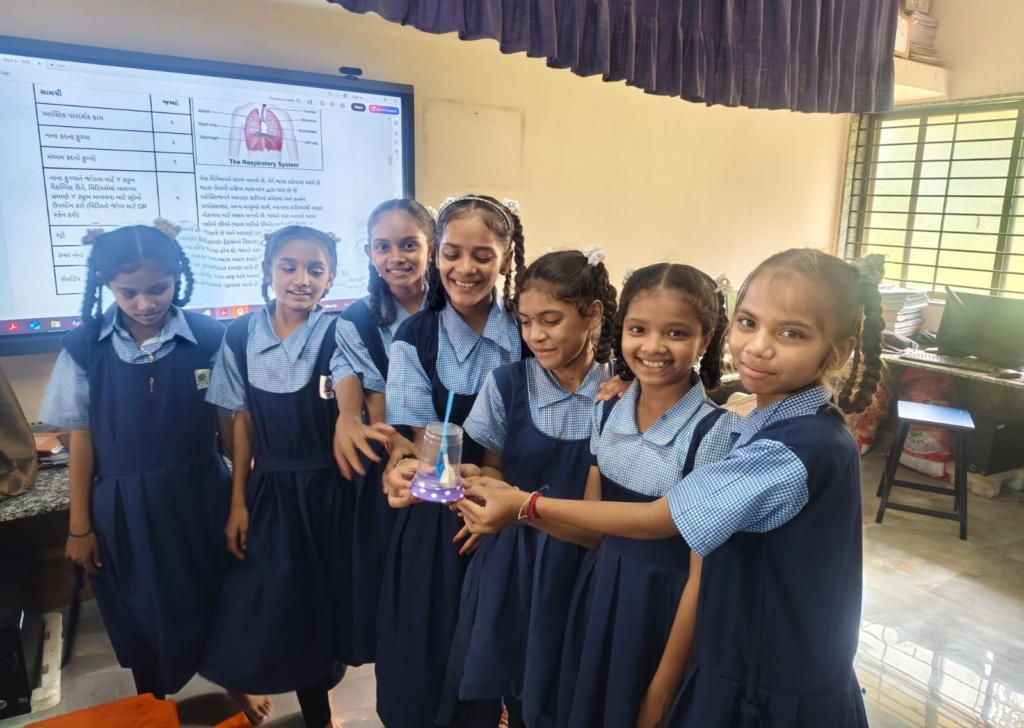
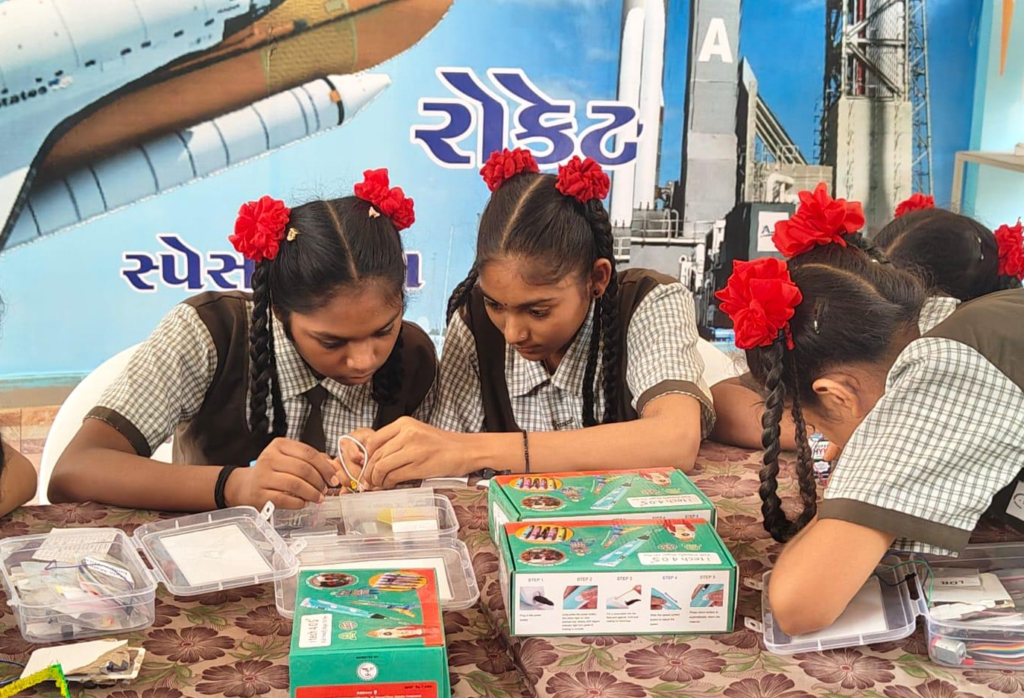
What makes the programme different is that students are not just learning from textbooks. They are building, testing, making mistakes and trying again. A simple lesson on electricity can become an LED circuit. A robotics session can turn into a working robot. And sometimes, students take these ideas further on their own.
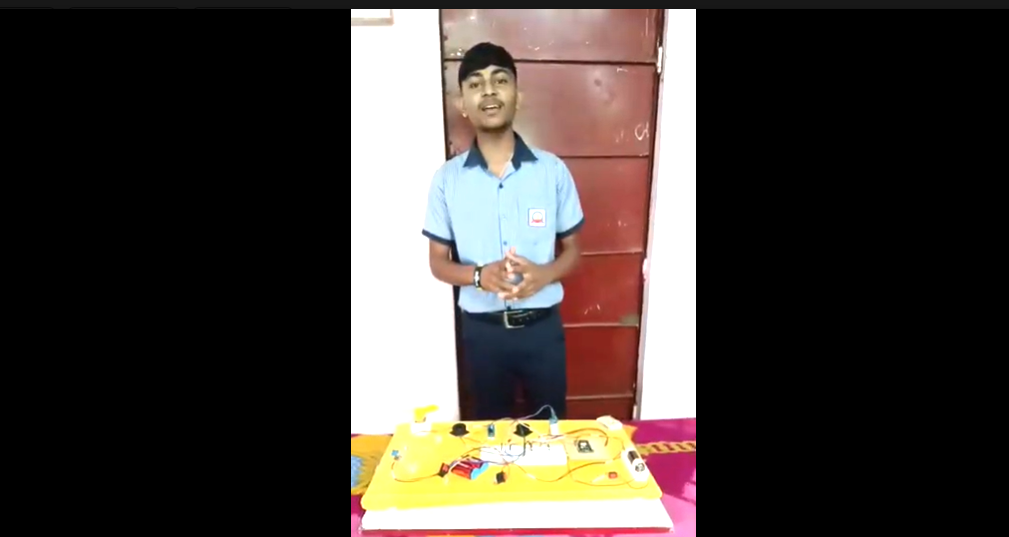
At Shri Pintulala Vidya Mandir in Boriya, one student went beyond the assigned curriculum to independently apply electronics concepts to develop an Accident Prevention System. It is a small example, but it represents a significant shift: the student was no longer simply completing an exercise; they were identifying a problem and attempting to engineer a solution.
Student project video · Accident Prevention System, Shri Pintulala Vidya Mandir
Watch →
“In every STEM class, we learn something new and understand concepts much better because we get to work on the activities ourselves with our friends.”
— Nidhi, Student, EMRS, Waghodia
The change is also visible in teachers. Karan Chauhan, a teacher at SM Shah Vidyalaya, Savli, shared:
“Initially, we were skeptical about how students would respond to STEM training. But once we started incorporating practical activities, we quickly saw their interest grow.”
This is especially relevant today, when India is investing heavily in building its future technology workforce. The foundation for that future needs to begin much earlier, in classrooms where children are encouraged not just to learn science, but to use it.
For SVM, the next step is to deepen this work by strengthening teachers, supporting schools that need additional mentoring and creating more opportunities for students to showcase their ideas and projects.
Because the next innovator can come from anywhere.
Sometimes, all they need is the opportunity to build something for the first time.